Borneo Jazz Festival: the complete history, 2006–2026
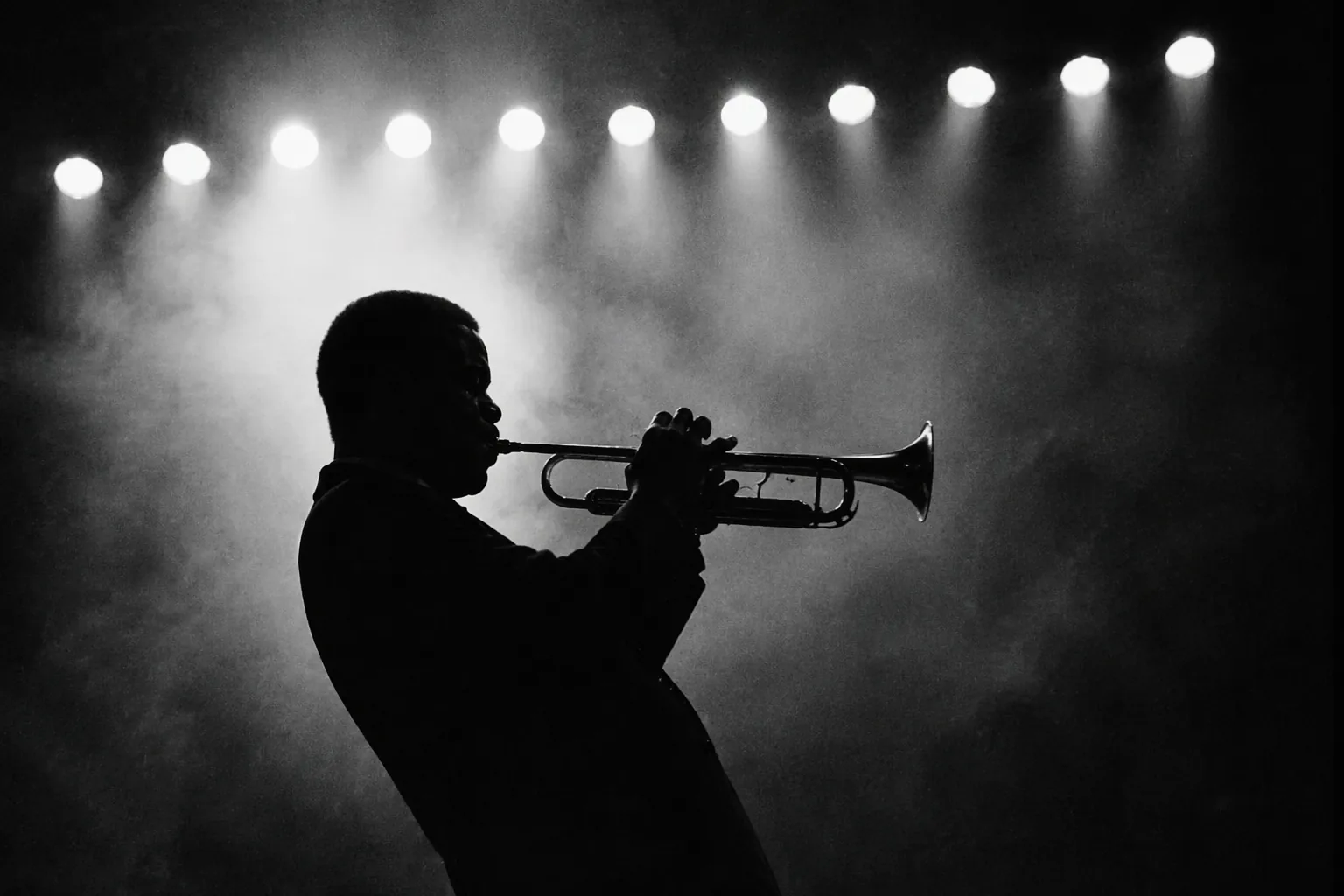
In May 2006, on the grounds of a beachfront hotel in Miri (a Sarawak oil town closer to Brunei than to any Malaysian city most people can name) a small jazz festival opened its gates. Roughly two thousand people came. Nobody would have bet on it becoming the longest running jazz festival in Southeast Asia.
Twenty years later, the Borneo Jazz Festival is preparing its 20th edition: 4–5 December 2026, at Pullman Miri Waterfront. It has survived a rename, three venues, a global pandemic, and the slow collapse of almost every comparable festival in the region. This is the whole story, as best as the public record allows it to be told, with sources at the end, and a standing invitation to correct us.
- 2006: Launches as the Miri International Jazz Festival at the Parkcity Everly Hotel; about 2,000 attend.
- 2009: Attendance peaks at roughly 6,500. The festival outgrows its boutique label.
- 2011: Renamed Borneo Jazz.
- 2018–2019: Talent Search and DJ Search launched; venue moves to Coco Cabana, Marina Bay.
- 2022: 17th edition, "Jazz in the Jungle," goes hybrid; the Sarawak Symphony Orchestra debuts.
- 2026: 20th edition, 4–5 December, Pullman Miri Waterfront; tickets via jazzborneo.com.
Era 01 · 2006–2010The Everly years
The festival began as the Miri International Jazz Festival, staged at the Parkcity Everly Hotel. The format was set early and barely changed: two nights, four performances a night, a compact bill that mixed regional players with international names, and a crowd small enough that you could watch the headliner with your feet in the grass and a drink in your hand.
The opening edition drew around 2,000 people. By 2009 that figure had passed 6,500: small by Java Jazz standards, but large for a city of Miri's size, and large enough to strain the hotel grounds format. The early editions established the festival's personality: unpretentious, beach adjacent, deliberately mixed in genre. Straight ahead jazz shared the bill with funk, Latin, blues and fusion. A programming decision that purists grumbled about and audiences loved.
Era 02 · 2011–2017The rename and the regional brand
In 2011 the festival dropped its city name and became Borneo Jazz. The rename mattered more than it looked: Miri is a two hour flight from Kuala Lumpur and a hop from Brunei, and the festival's audience had become regional, Singaporeans, Bruneians, West Malaysians, Australians working the resource coast, long before the branding admitted it. "Borneo Jazz" sold the island, not the postcode.
These were the settling in years. The festival was paired with its bigger sibling, the Rainforest World Music Festival in Kuching, and Sarawak was sold as a two festival destination. The formula held: workshops and fringe events by day, the main stage sets at night, the South China Sea doing the production design for free.
Two nights. Four acts a night. No filler, no third stage, no app.
Era 03 · 2018–2019The Talent Search and the move to Coco Cabana
The 2018 edition added something more durable than any headliner: the Borneo Jazz Talent Search, a competition for emerging regional acts with a main stage slot at stake. A DJ Search followed in 2019, acknowledging how the after party had grown. It was the festival investing in the pipeline. The surest sign an institution plans to be around.
In 2019: the edition ran 19–21 July: the festival left the Parkcity Everly for Coco Cabana at Marina Bay, a purpose built event ground on the Miri waterfront with its landmark seahorse lighthouse. The move gave the production room to breathe: bigger stage, proper food village, sunset directly behind the performers. Looking back, the timing was fortunate. The festival entered 2020 in a flexible open air venue just as "open air" became the most wanted phrase in live music.
Era 04 · 2020–2022The pandemic and "Jazz in the Jungle"
The pandemic broke almost every festival in Southeast Asia. Borneo Jazz bent instead. When it returned for its 17th edition on 24–26 June 2022, it did so under the banner "Jazz in the Jungle": a hybrid production mixing live and streamed performance, and the formal debut of the Sarawak Symphony Orchestra on the festival stage. (The edition count here and throughout follows the festival's own numbering, which isn't a simple calendar count.)
The hybrid experiment didn't pretend to be a substitute for the beach. But it kept the festival's name in the air, kept musicians booked, and, crucially for an event owned by a tourism board, kept Miri on the regional map during the years when nobody could fly to it.
Era 05 · 2023–2026The Pullman era and the 20th edition
The after the pandemic editions rebuilt the live audience year by year, and for its 20th edition the festival moves again: 4–5 December 2026 at Pullman Miri Waterfront on Jalan Temenggong Datuk Oyong Lawai. A hotel venue, like the old Everly days, but a modern one, with the city's waterfront regeneration as the backdrop. Tickets went on sale at midnight on 3 October 2026 through the official site, with one day passes available for the first time alongside the full two night ticket.
There is a pleasing symmetry in it: a festival that began in a Miri hotel ballroom's orbit returns to one for its 20th birthday, having spent the intervening decades proving that a small, stubborn, well curated jazz festival can outlast almost anything the industry throws at it.
| Year | Edition | What changed |
|---|---|---|
| 2006 | 1st | Launches as Miri International Jazz Festival, Parkcity Everly Hotel; ~2,000 attendees |
| 2009 | 4th | Attendance reaches ~6,500, the festival's early peak |
| 2011 | 6th | Renamed Borneo Jazz |
| 2018 | 13th | Borneo Jazz Talent Search launched |
| 2019 | 14th | Moves to Coco Cabana, Marina Bay (19–21 July); DJ Search added |
| 2022 | 17th | "Jazz in the Jungle" hybrid edition (24–26 June); Sarawak Symphony Orchestra debuts |
| 2026 | 20th | 4–5 December at Pullman Miri Waterfront; tickets from 3 Oct via jazzborneo.com |